Units that Enage Students and Foster Academic and Social Growth
Developed by educators attending the Seedlings Summer Workshop, these units follow grade curricula, meet standards, and ask students to actively engage in real-world contexts. Applicable frameworks include place-based and play-based learning, as well as meeting essential competencies defined by Portrait of a Graduate.
We know children learn best when they can make connections to what they are learning through developmentally-appropriate, hands-on, experiential learning. In place-based and play-based learning, children use what they know as a springboard to learn the curriculum. Neighborhoods become classrooms where children explore ecosystems, history, economics, art, engineering and so much more. Blocks become lessons in geometry and physics. A puddle outside the school becomes a chance to study the water cycle through a real-world approach. All of these learning opportunities are also opportunities for growing critical thinking, collaboration, communication skills, as well as a sense of belonging in the classroom and the wider community. Portrait of a Graduate aims to foster learners that are: self-directed, synergistic collaborators, effective communicators, critical thinkers, and global citizens.
These units take on the very best of what we know about these educational frameworks, 21st-century skill-building, child development, and curriculum. They offer educators pathways and inspiration for their own classrooms and professional development.
Place-Based Learning Projects Repository
- All
- Preschool
- Kindergarten
- First grade
- Second grade
- Third grade
- Fourth grade
- Fifth grade
- Sixth grade
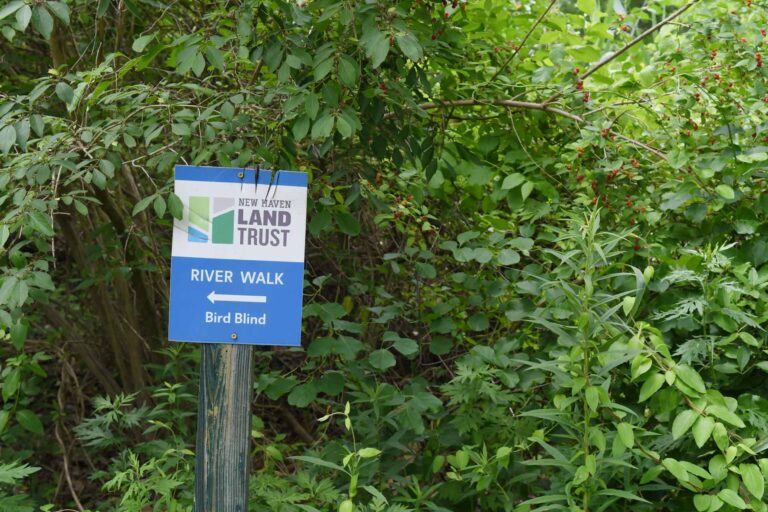
Nature’s Neighborhoods: Exploring Communities and Ecosystems
Students will explore local ecosystems through hands-on experiences and investigate the ways human communities and nature impact one another. Drawing from generations of Indigenous knowledge and other local perspectives, students will examine the benefits and challenges of balancing the use of ecosystem resources with protecting them.
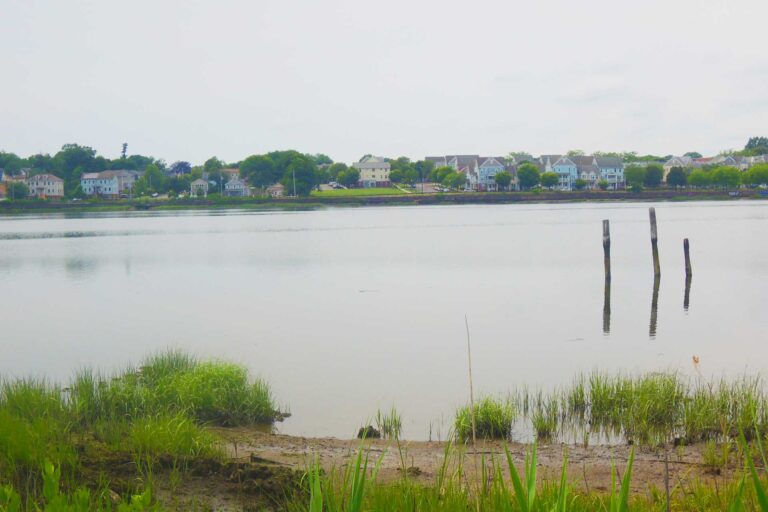
River Keepers: Exploring the Quinnipiac River Ecosystem
This unit invites students to step into their local environment to become real-life river scientists and caretakers. They investigate how the river functions and discover how local wildlife—such as burrowing fiddler crabs, soaring osprey, and hardworking beavers-—depend on a healthy river habitat.
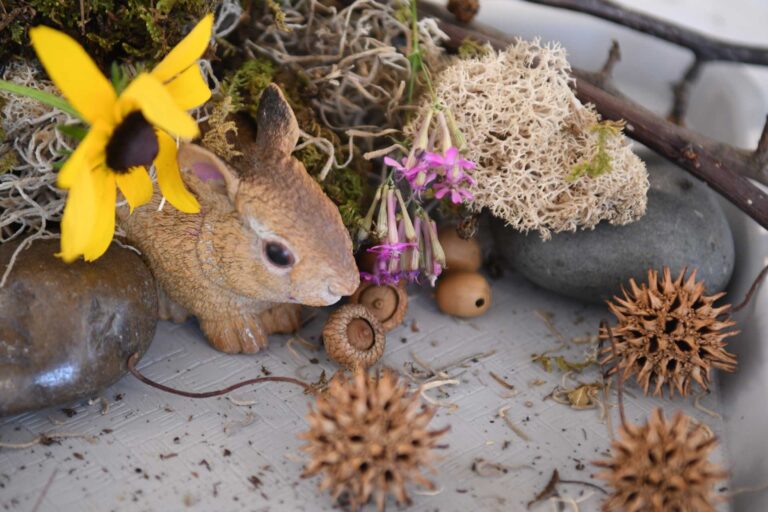
Home Sweet Home: Exploring Animal Habitats
In this unit, students will explore different types of homes, and why each home is important to its inhabitants. They will have the opportunity to observe, compare, and construct different types of homes, and begin thinking about how a home is part of a greater community.