
LEARNING EXPERIENCES for GQ1: Who lives in a home?
 Learning Experience 1: Book – If Animals Built Your House by Bill Wise
- Examples of discussion questions:
- Do all animals live in a home?
- Which animals live in your home vs. a home in nature?
- What types of homes do they live in?
- Examples of discussion questions:
- Learning Experience 2: Where do they live?
- Sort pictures/figurines of various animals according to what type of home they live in (human house, nest, burrow, etc.) – Example of Sorting Chart that can be drawn on chart paper, and printed pictures or classroom animal figures can be sorted onto it. The number of categories can also be simplified depending upon the current knowledge/abilities of the students.
- Different Types of Animal Homes
- Learning Experience 3: Who lives with us?
- Interview classmates, families and/or staff members to find out who lives in their home, both human and animal.
- Document these findings with tallies, marks or symbols, then use interlocking manipulatives (duplos, unifix cubes, etc.) to display the data collected, inviting each student to help build the graph adding their own data
- Compare and contrast the different towers. Examples of discussion questions:
- Which organisms were the most common ones living at homes?
- Which ones were equally common?
- Which organisms were uncommon?
LEARNING EXPERIENCES for GQ2: How are our homes the same as animals? How are they different?
- Learning Experience 1: Book: Whose House? By Barbara Seuling
- Examples of discussion questions:
- What does each animal home provide for the animal who lives there (food, shelter, etc.)?
- Would you want to live in a ______’s house? Why/why not?
- Examples of discussion questions:
- Learning Experience 2: Field Trip
- Visit a local nature preserve or park with a natural ecosystem
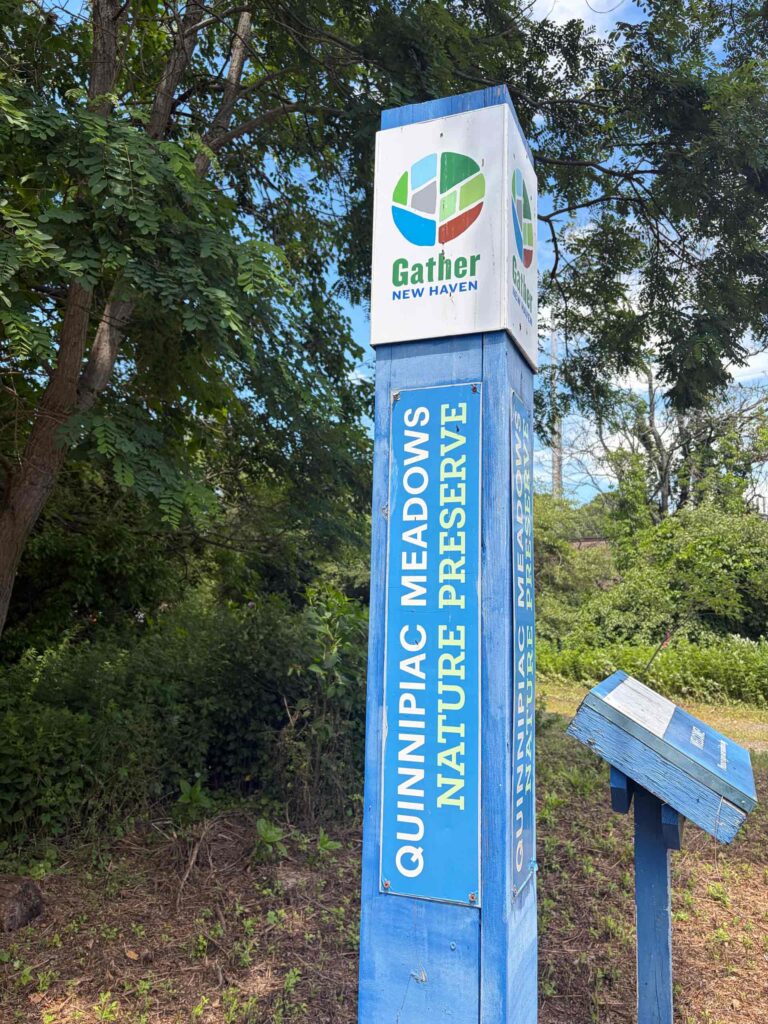
- In the case of this Unit, in New Haven (CT), the suggested location is the Quinnipiac Meadows Eugene B. Fargeorge Nature Preserve.
- Teachers can also use selected parts of videos of the nature preserve to preview and/or review the visit as needed for discussion throughout the unit – suggestions of videos: Trail Exploration and/or Wild River in the City
- Help students to make observations – use binoculars, magnifiers, tweezers, observation journals & clipboards, cameras, etc.
- Examples of investigative questions: Who lives here? Where? Why?
- Play an insect hunt game (checklist)
- In this particular site, students can see osprey nests, fiddler crabs and their burrows in wetlands, spiders on their webs, insects under logs, bat boxes, etc.
- Document through photos all the examples that students identify during the visit
- Visit a local nature preserve or park with a natural ecosystem
- Learning Experience 3: Book: Houses and Homes by Ann Morris
- Examples of discussion questions:
- What do you notice about these homes?
- How are they similar?
- How are they different?
- What do you think is important to have in a home?
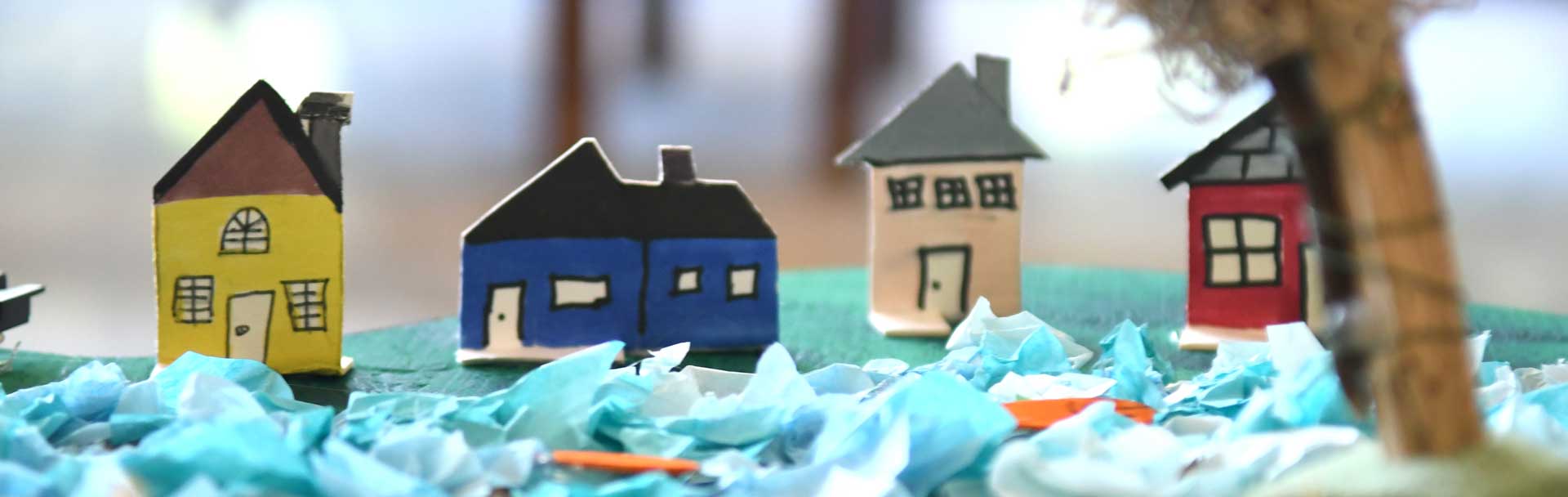
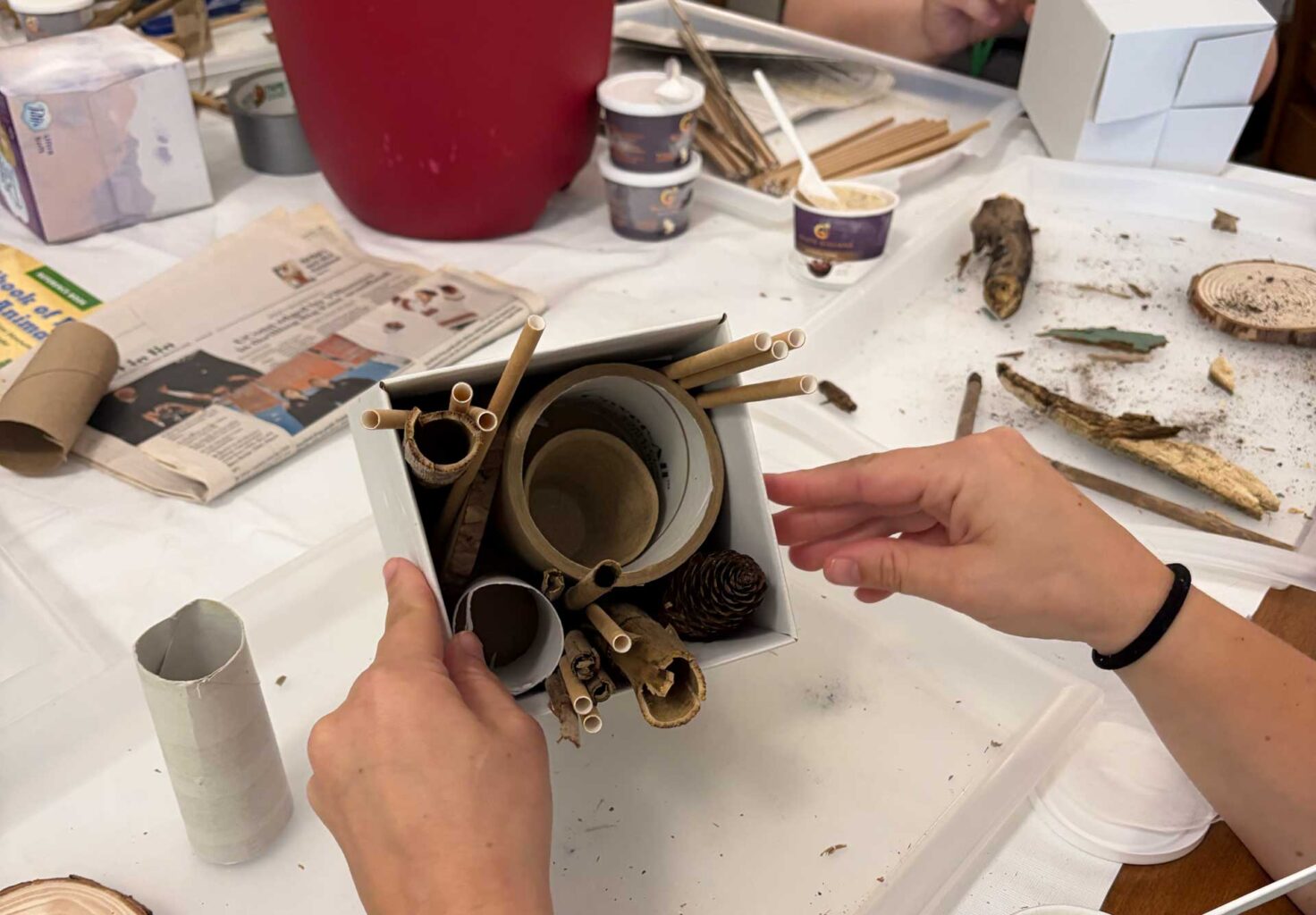
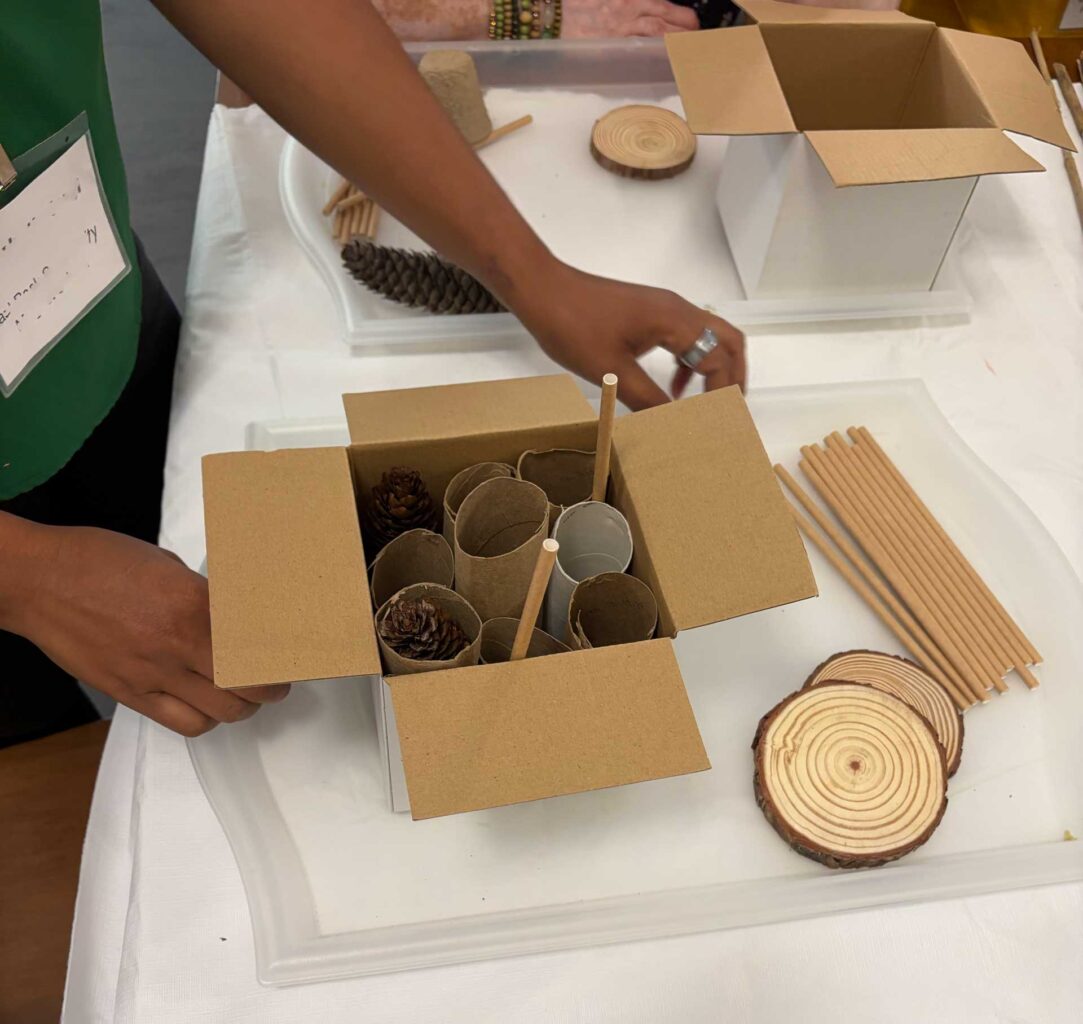
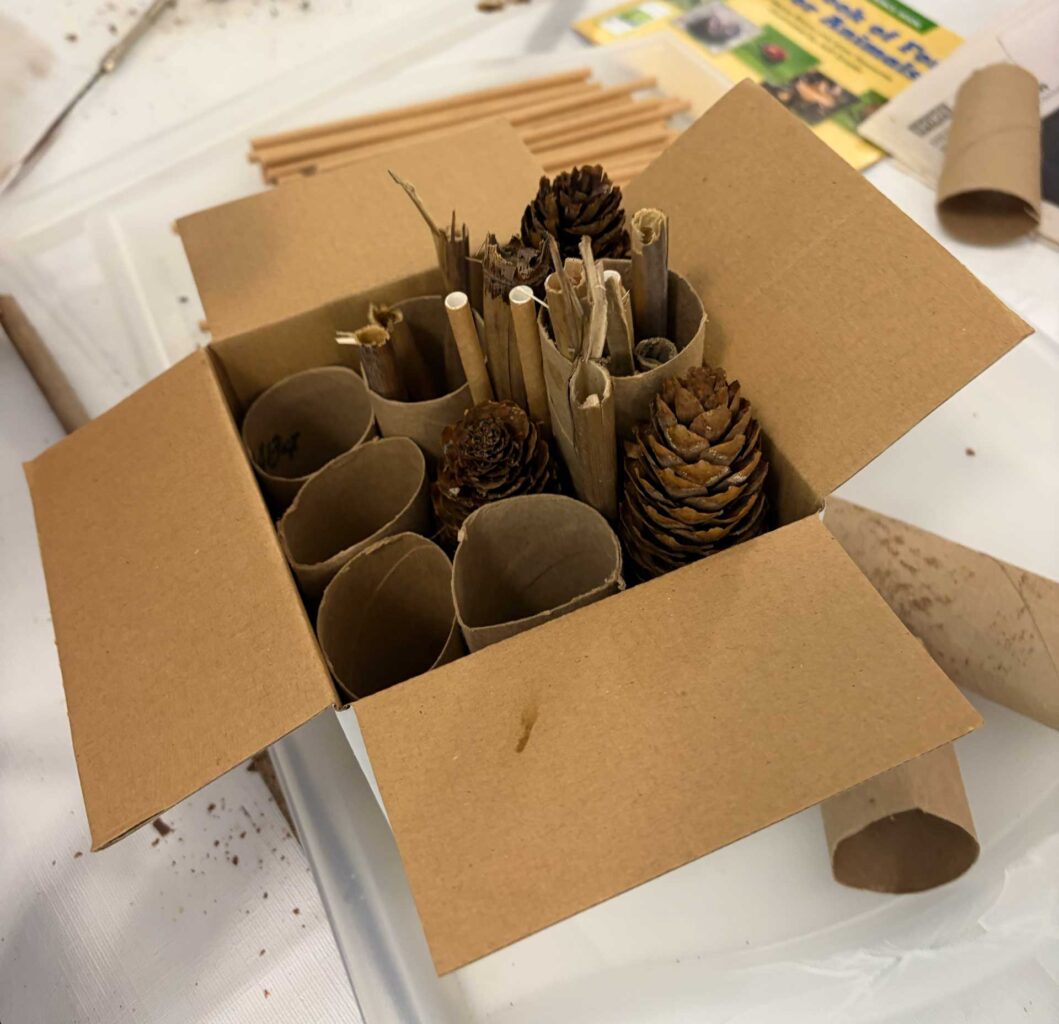
- Use classroom materials (such as cardboard boxes/tubes, fabric scraps, construction paper, various art materials, etc) to build a dollhouse/model home that includes appropriate features to meet human needs
- Students discuss the similarities and differences between human homes and animal homes.
- Examples of discussion questions:
- How are our needs the same as animals?
- How are they different?
- How do we meet similar needs in different ways?
- Examples of discussion questions:
- Examples of discussion questions:
LEARNING EXPERIENCES for GQ3: How does a home help its inhabitants live and grow?
LEARNING EXPERIENCES for GQ4: How does a home fit into a community?
- Learning Experience 1: Field Trip
- Visit a local natural history museum or nature center
- In the case of this unit, in New Haven (CT), the suggested location is the Yale Peabody Museum (check here to book a visit)
- Bring students’ attention to local habitats and ecosystems, paying attention to local/native animals
- In the case of this Unit, students would explore the Connecticut Habitat Dioramas
- Examples of investigative questions:
- What do you notice about each habitat and what it includes?
- How close together are the different animal homes?
- Which ones are closest and which ones are farthest?
- How do the different animals interact within their environment?
- How are these animals connected?
- Visit a local natural history museum or nature center
- Learning Experience 2: Neighborhood Walk
- Take a group walk through the neighborhood with your students
- Take photos of community buildings (such as stores, places of worship, homes, schools, etc.) that your students deem interesting in the neighborhood
- If this type of activity is not safe/possible, photos of community buildings can be gathered by staff and/or families
- Affix the photographs of the community buildings to wooden blocks
- Students collaboratively build a “map” of the school’s neighborhood
- The intention is not to make a wholly accurate map of the neighborhood, but rather to collaboratively build something that documents students’ experiences and provides spark for further inquiry.
- Invite children to place the landmarks they took pictures of on the map, using the school as the north star that helps them think about how near or far specific places are, and in what direction in relation to the school.
- Examples of discussion questions: What do you know about this place? How does each building get used, and who uses it? Why is it important to the community? Why are the homes in this community located where they are?
- Leave map blocks in the block area (along with small block people, cars, etc.) to invite exploration of the community
- Take a group walk through the neighborhood with your students
LEARNING EXPERIENCES for GQ5: How does a home change over time?
 Note: As this guiding question explores how homes change over a period of time, many of these learning experiences should be ongoing in order to give students the opportunity to make their own authentic observations about change. You may decide you want to introduce some of these activities and materials earlier in the unit to discuss more robustly in this guiding question, or you may want to start by introducing the idea of change over time here, followed by the focused observations suggested in the learning experiences.
- Learning Experience 1: Book: The Little Island by Margaret Wise Brown – (ongoing activity to remain available in dramatic play/block area over time)
- Examples of discussion questions:
- How did the island change throughout the different seasons/weather?
- How did the changes affect the animals?
- How did the animals use the island differently at different times?
- Add additional books and materials (model/stuffed animals, materials to build animal homes, structure to represent island, etc.) into dramatic play and/or block areas to invite students to further explore or even re-enact the story.
- Examples of discussion questions:
- Learning Experience 2: See any changes?
- Students choose an animal and its home to observe over time, watching for physical and seasonal changes over the unit
- A good repository for many video live streams are the Live Cams from org
- After an introductory viewing, this can become an ongoing routine (for example, watching during lunch) throughout the unit. This routine can be introduced either at the beginning of the unit (to build familiarity around a recurring practice) or later on (specifically to explore how homes change over time)
- SUGGESTION: Once the animal has been chosen, search for a time-lapse video of the animal building its home over time and/or over the course of seasons. Showcasing this video to students would add an interesting layer of information for their discussion.
- Examples of discussion questions: What changes do you notice in the animal? What about their homes? And their habitat? What/who caused the changes you saw?
- Students choose an animal and its home to observe over time, watching for physical and seasonal changes over the unit
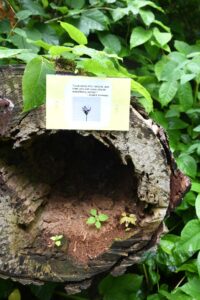 Learning Experience 3: Book: Log Life by Amy Hevron – ongoing (Can either be introduced at the start of the unit, or while exploring changes over time)
- Examples of discussion questions:
- How did the tree change over time?
- What caused these changes?
- How did those changes affect the organisms living in/on the tree?
- Find a rotting log in your schoolyard or collect one and bring it into your classroom
- Outdoors: Find/create a nurse log
- Indoors: Gather materials/organisms to create a rotting log environment
- Indoors: Carolina Biological Supply – Life in a Rotting Log Kit
- Students observe the rotting log environment to see/document changes over time using magnifiers, photos, observation journals, etc.
- Examples of investigative questions:
- What do you notice?
- Do you see anything you did not notice last time?
- Is anything missing that you saw the last time you observed?
- Examples of discussion questions:
- Learning Experience 4: Book: Window by Jeannie Baker
- Examples of discussion questions:
- What changes do you notice outside their window?
- What/who caused those changes?
- Have you seen any changes like that near your own home/school/neighborhood?
- Create a small “frame” (either with tape, paper, or a picture frame) within a classroom window, or select a specific classroom window as the focus
- Encourage students to observe and document changes they notice in the environment outside the classroom. You may want to include binoculars in the observation area to encourage student interest and focus on details.
- The documentation can be completed through ongoing observation journals (drawing and/or writing/dictation), photographs added to an ongoing slide show, voice recordings, construction with loose parts, classroom materials, or seasonally appropriate natural materials (such as fall leaves or flowers).
- This may include both short-term and long-term changes: seasonal, neighborhood changes, construction/changes to structures, what cars are parked on the street, etc.
- Examples of discussion questions:
- Have you noticed any changes since the last time you looked out the window?
- Who/what caused those changes?
- How do they affect the people/animals who live nearby?
- Examples of discussion questions:
Nature’s Neighborhoods: Exploring Communities and Ecosystems
Students will explore local ecosystems through hands-on experiences and investigate the ways human communities and nature impact one another. Drawing from generations of Indigenous knowledge and other local perspectives, students will examine the benefits and challenges of balancing the use of ecosystem resources with protecting them.
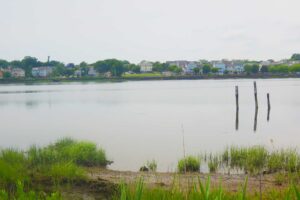
River Keepers: Exploring the Quinnipiac River Ecosystem
This unit invites students to step into their local environment to become real-life river scientists and caretakers. They investigate how the river functions and discover how local wildlife—such as burrowing fiddler crabs, soaring osprey, and hardworking beavers-—depend on a healthy river habitat.