- All
- Preschool
- Kindergarten
- First grade
- Second grade
- Third grade
- Fourth grade
- Fifth grade
- Sixth grade
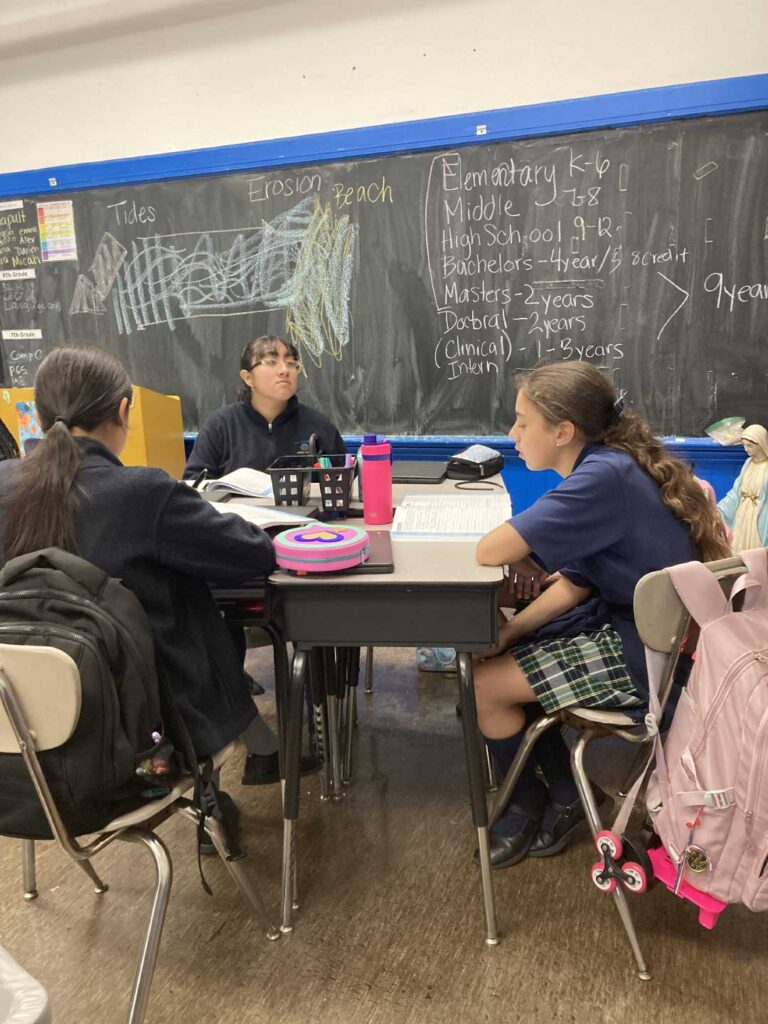
Exploring New Haven Brings Global Learning
Sixth graders explored New Haven, researching places with historic significance and sharing their findings through written reflections, brochures and presentations to their classmates. These collaborative projects connected students to their learning, to their larger school community, and communities throughout New Haven.
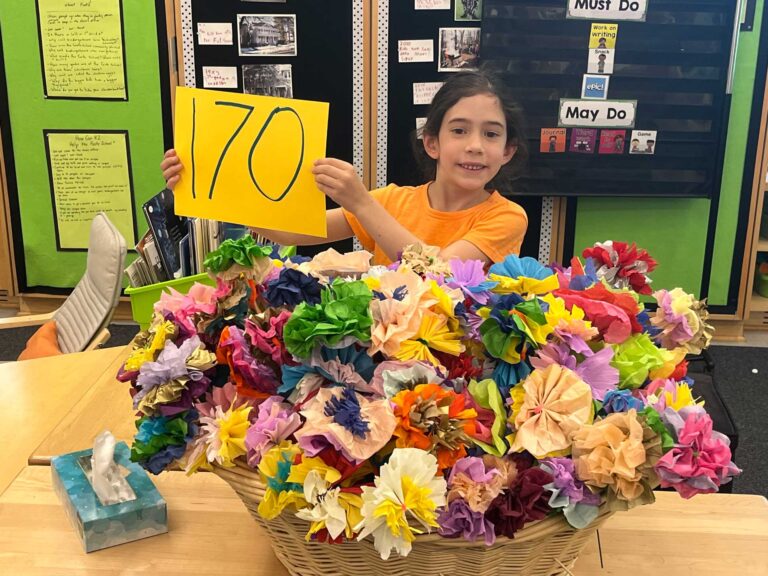
Kindergarten Blossoms – Welcome to Our Community
Susan Keegan’s kindergarten students explored the concept of community through play-based learning, working together to learn about the helper roles in the Foote School community and how the kindergarteners could work together to welcome visitors to their school.
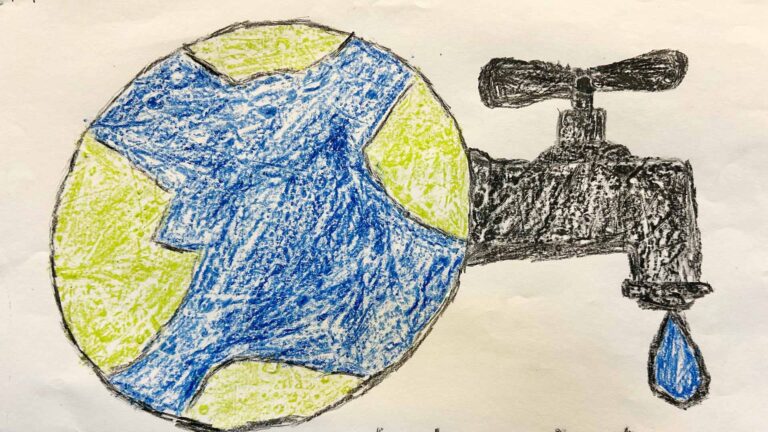
Understanding the Relationship between Humans and Water
Fourth graders at Nathan Hale School explored local waterways and connected with students in South Carolina and Maine to learn about the impact water has on our lives, culminating in an interdisciplinary project intended to inspire community members to be a “friend” to water.
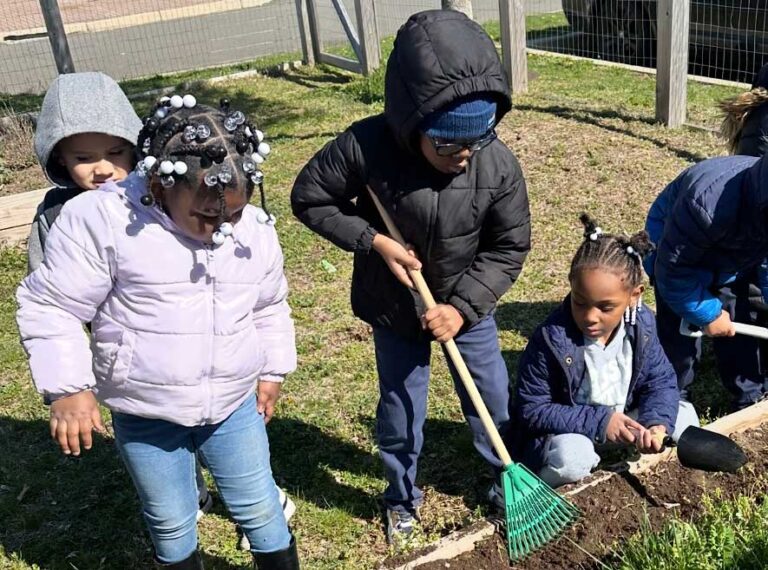
Creating Accessible and Engaging Outdoor Classrooms for Learning
Casey's class learned about plants through a hands-on approach, bringing the curriculum previously learned inside classroom walls to developmentally appropriate real-world applications in a new outdoor classroom that includes a garden library, garden beds and a digging bed for exploring and practicing.
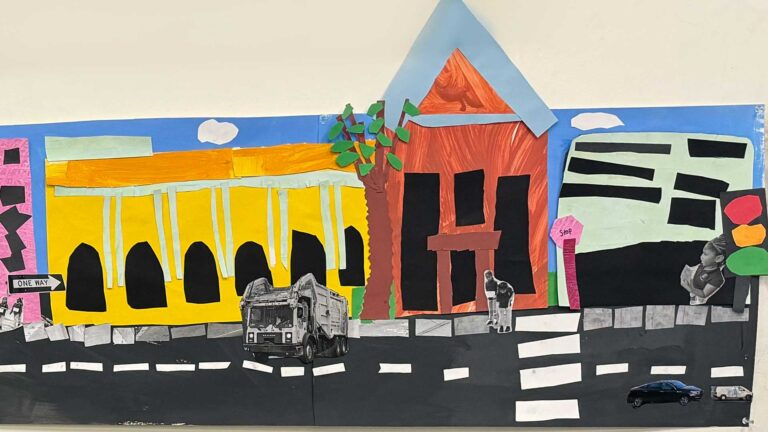
City Blocks and Building Blocks: Applying Math, Civics, and ELA
First graders in Abby Ginsberg and Oliva Reny's classroom learned math, language arts, civics, and more by exploring their community through a play-based approach. Books, neighborhood walk, and community partners helped students gain an understanding that they shared through poems, artwork, and more.
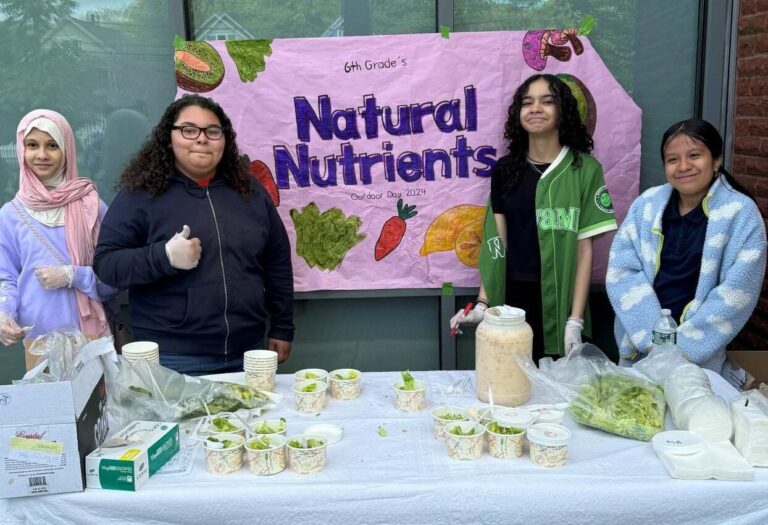
Natural Nutrients: Fresh Ideas for Quality Meals in Schools
A book and a question from a student sparked a class project focused on bringing less processed food and more fresh fruits and vegetables to their school community. Through hands-on experiences and collaboration with peers, Taylor's sixth-grade class planted seeds and harvested their gardens to provide a way to help Read More
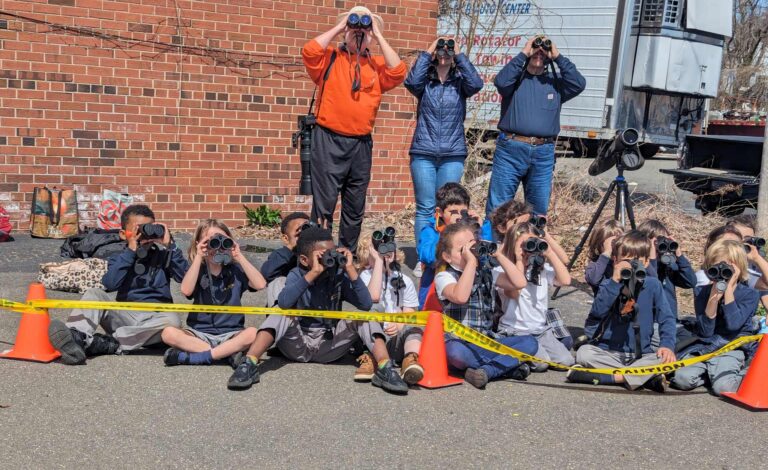
Soaring Together: Building Community and Protecting the American Bald Eagle
Collaboration with community partners and hands-on experiences helped first graders learn about the American Bald Eagle’s role in the environment, its significance as a national symbol, and the importance of conservation efforts.