Exploring Our World
Exploring places through this project has been incredibly enriching. It allowed me to see the local community through a new lens and understand the educational value of connecting classroom lessons to the real world. By engaging with the local environment and community, both the students and I gained a deeper appreciation for the history, culture, and natural beauty around us (…) Seeing the students’ enthusiasm and growth made all the effort worthwhile!
Audrey Whitfield
6th Grade Teacher
Project Narrative
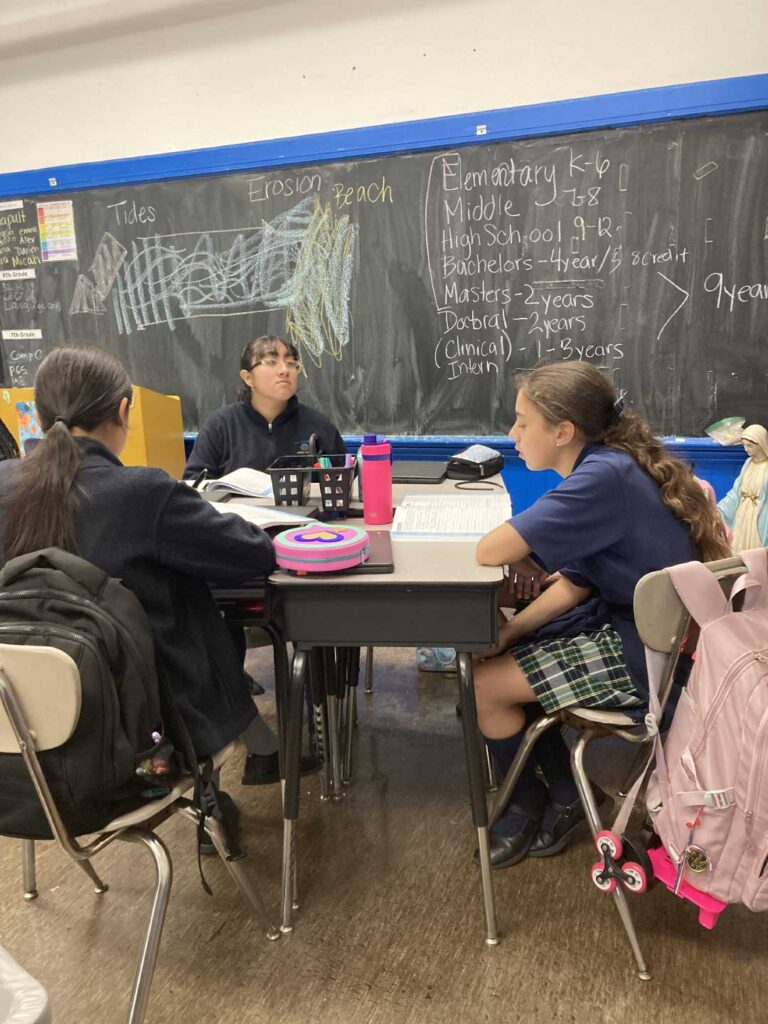
In the spring, my sixth-grade students explored the essential question “What motivates someone to explore?“. After an initial reading of Onward (by Dolores Johnson) as a class, students discussed the definition of “exploration” and its relevance to them through the actions, experiences, and thoughts of the individuals in the story as its characters pushed themselves to explore unknown locations. I assigned students into small groups to reflect on the motivations behind human exploration, prompted by the following discussion questions:
- What motivated the characters in Onward to explore?
- How did past failures influence their desire to keep exploring?
- What can we learn from their experiences?
Each group shared their insights with the rest of the class and, collectively, targeted four main areas: physical exploration, inward exploration, societal exploration, and relational exploration.
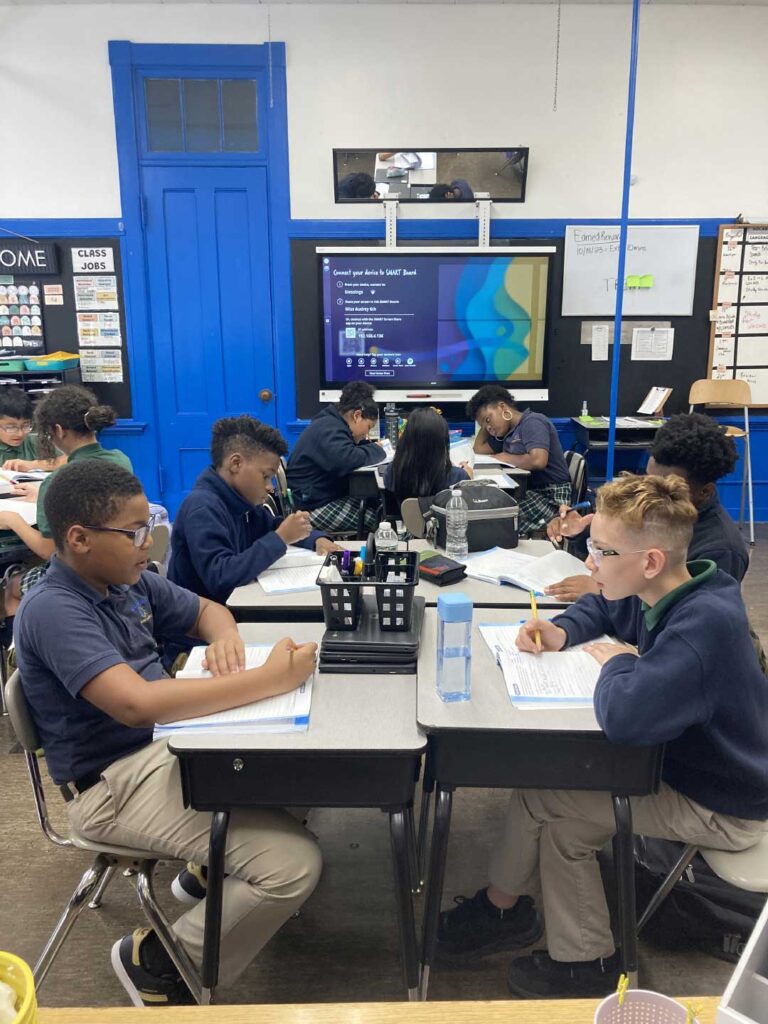
Then, I introduced the place-based research project that my sixth-graders worked on for the rest of the year. First, students brainstormed a wishlist of three places in New Haven that they wanted to explore in small groups and discussed reasons why they had chosen each location. As part of their project, students explored one of those locations through research, writing, and presenting, addressing the following guidelines:
- Why did you choose this location?
- Five facts about the location.
- Five significant time stamps for a timeline on the location.
- How does the location impact the community?
- Who is an expert on the location?
- Will exploring an unknown place in New Haven and this project change your perspective on viewing places in the future?
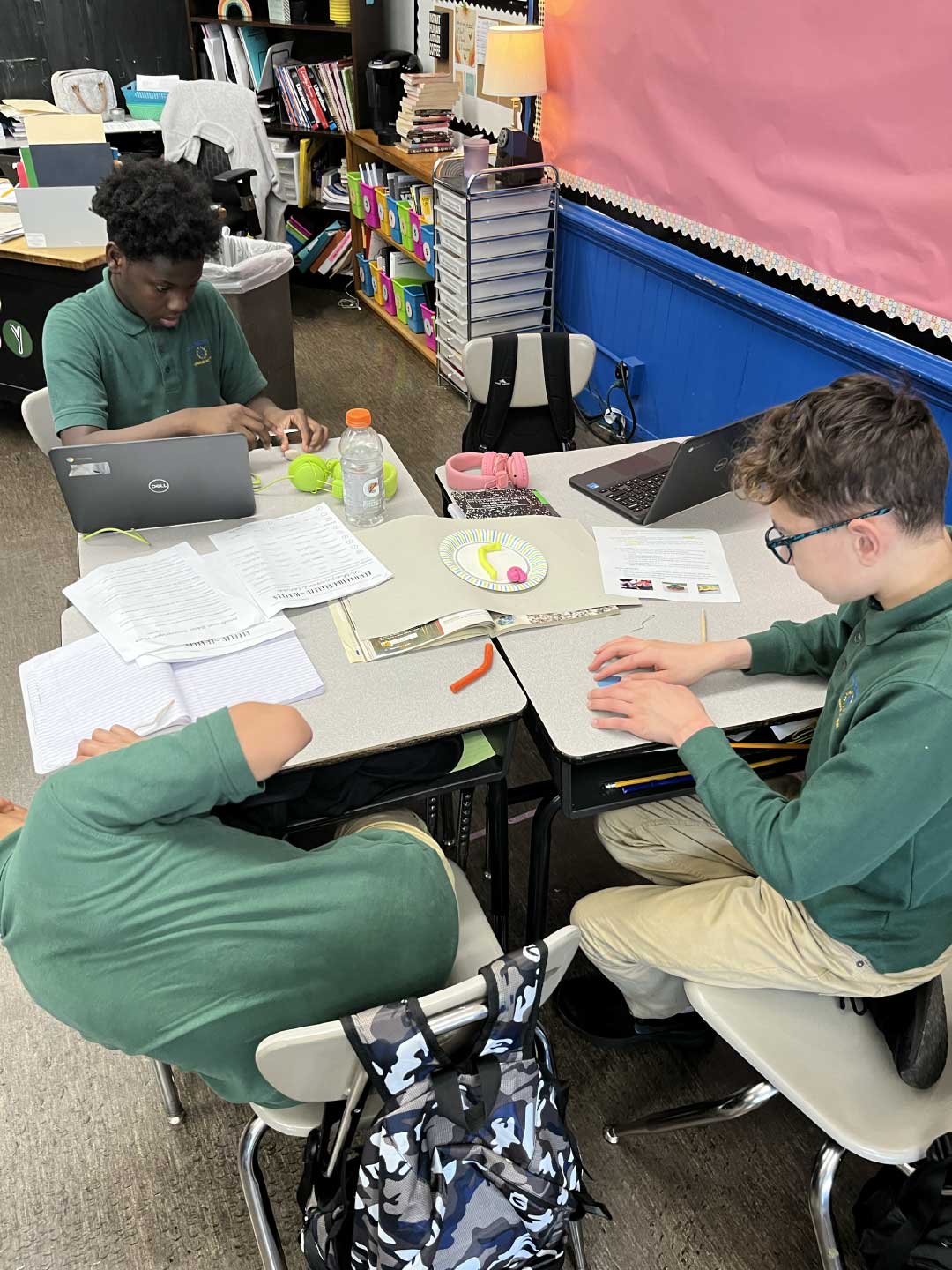
Students were allowed to choose any location within the city limits of New Haven to learn more about it. Among these locations, we were able to visit one as a whole class: the Yale Peabody Museum. Because the class was also working on another project in Science about fossils, geologic time scale, and sedimentary rocks, the visit allowed students to deepen their learning journey while still providing a sense of connection with the community.
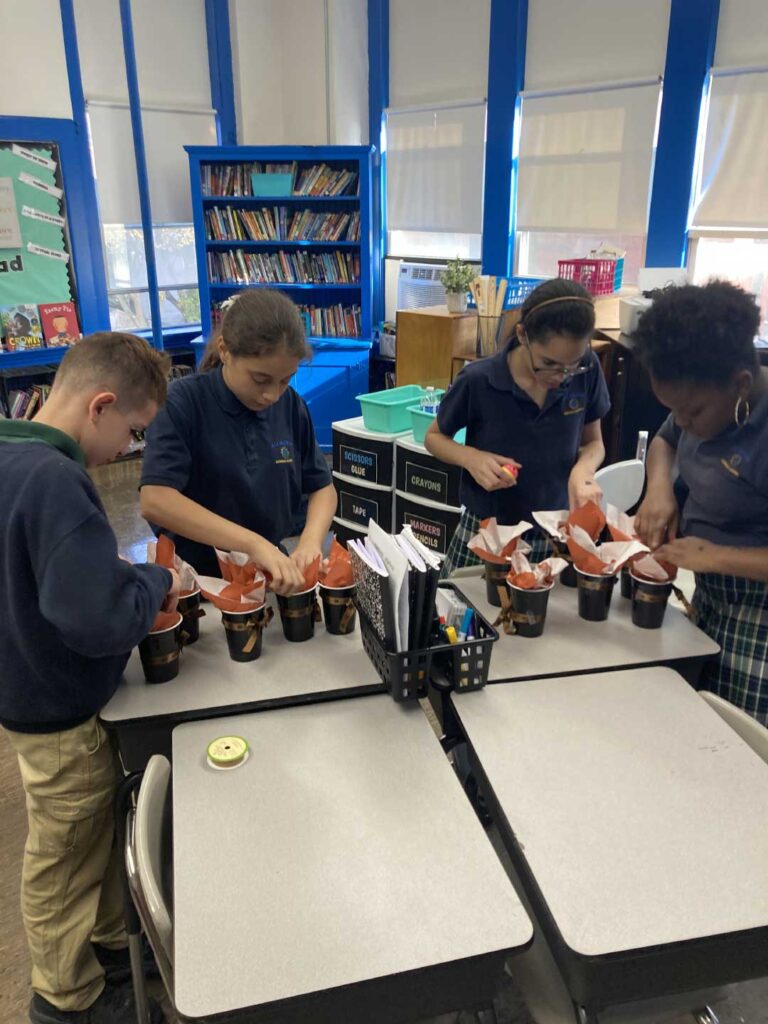
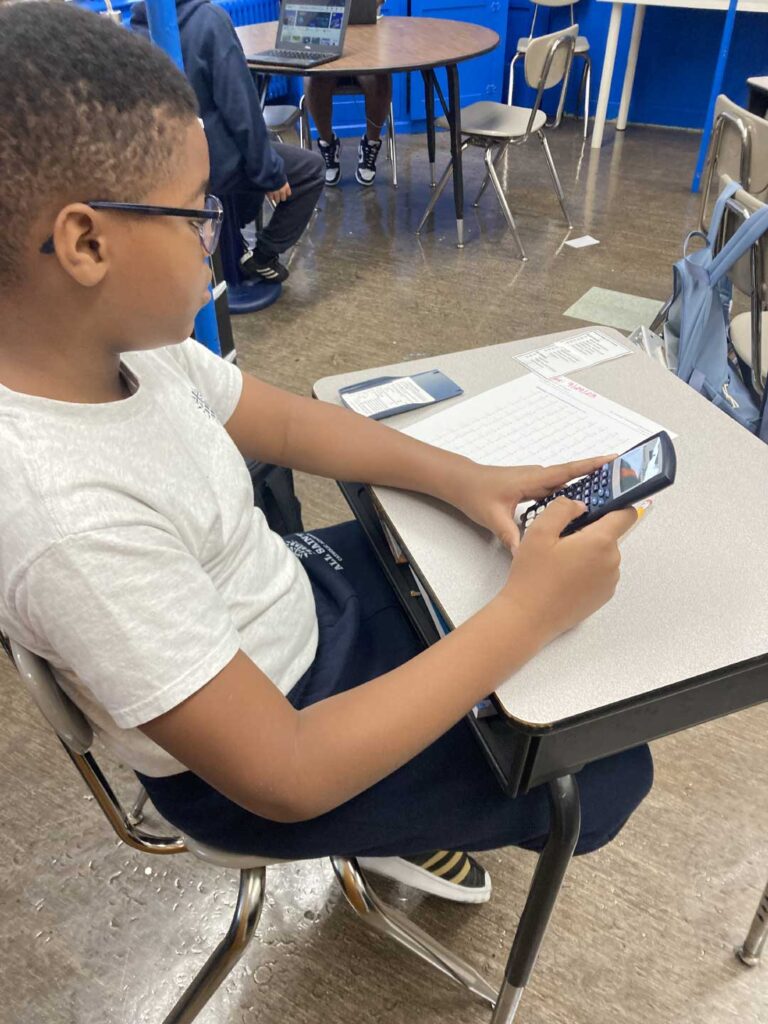
After the field trip, students reviewed their presentation slides and reflected on their museum experiences connecting them to their learning, their chosen location, and the community. Students presented the Google Slides of their projects on all the different places they explored in New Haven to our class, teachers, mentors, and a community member from the Seedlings Educators Collaborative, and answered questions from the audience. Students were also excited to create brochures showcasing the multiple New Haven locations they had chosen and researched throughout the year. Ultimately, students were invited to upload their projects to the Seedlings Community Asset Map and make their findings available online to anyone interested in learning more about New Haven. In their reflections at the end of the project, students shared that they were proud to know that their research and projects could have an authentic impact on families and teachers throughout the city.
Learning Outcomes
- Social Studies: Using primary sources
- Literature: Reading Comprehension and Analysis
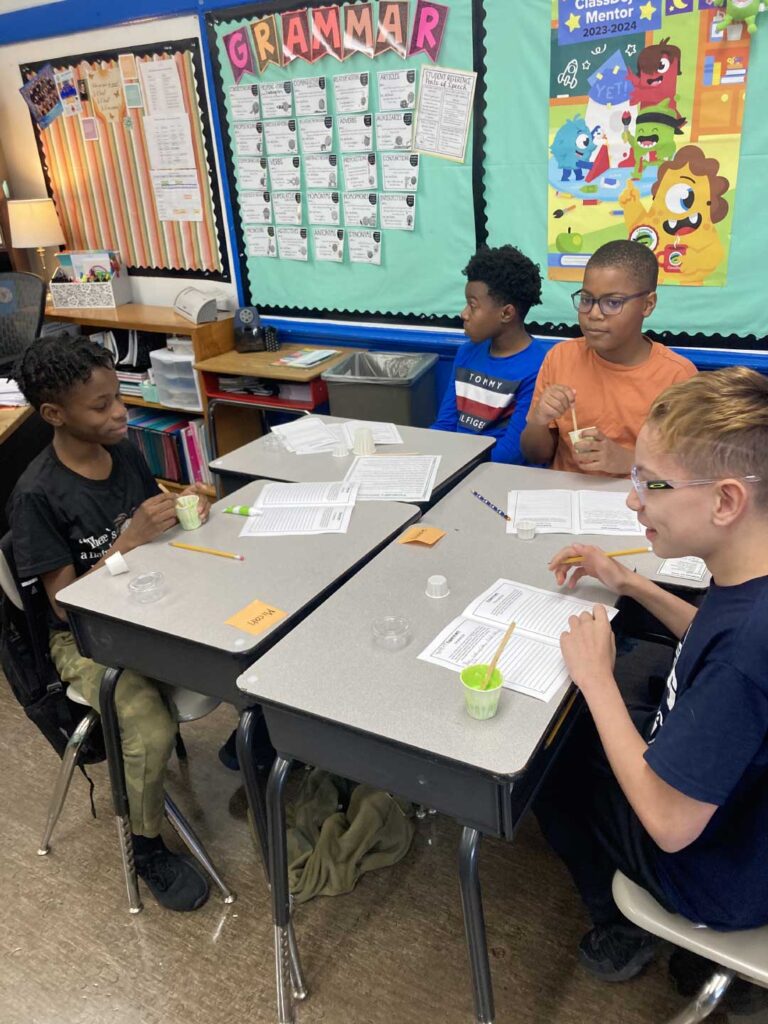
- Language Arts: Applying grammar skills
- Science: Understanding sedimentary rocks
- Research skills: Conducting independent research
- Communication: Presenting findings effectively
Meeting Standards
- CCSS.ELA-LITERACY.RL.6.1: Cite textual evidence to support analysis of what the text says explicitly as well as inferences drawn from the text.
- CCSS.ELA-LITERACY.W.6.7: Conduct short research projects to answer a question, drawing on several sources and refocusing the inquiry when appropriate.
- CCSS.ELA-LITERACY.SL.6.4: Present claims and findings, sequencing ideas logically and using pertinent descriptions, facts, and details to accentuate main ideas or themes.
- NGSS: 4-ESS1-1, Identify evidence from patterns in rock formations and fossils in rock layers to support an explanation for changes in a landscape over time.
- NGSS: 4-ESS2-1, Make observations and/or measurements to provide evidence of the effects of weathering or the rate of erosion by water, ice, wind, or vegetation.
- CT SS Framework: INQ 3–5.6 Gather relevant information from multiple sources while using the origin, structure, and context to guide the selection.
- CT SS Framework: INQ 3–5.8 Identify evidence that draws information from multiple sources in response to compelling questions.
- CT SS Framework: INQ 3–5.9 Use evidence to develop claims in response to compelling questions.
- CT SS Framework: INQ 3–5.11 Construct explanations using reasoning, correct sequence, examples, and details with relevant information and data.
Resources
- Pedagogical Resources
- Books & Links
- Community
- Making Thinking Visible by Ron Ritchhart, Mark Church, and Karin Morrison
- Lost at School by Ross W Greene
- Middle School ELA by EB Academics (Podcast)
- Project-Based Learning Stories and Structures by Ryan Steuer
- How to Differentiate Instruction in Academically Diverse Classrooms by Carol Ann Tomlinson
- Finding the Magic in Middle School by Chris Balme
- Onward by Dolores Johnson
- Katy Botta
- Knights of Columbus – https://www.kofc.org/
- New Haven Museum – https://www.newhavenmuseum.org/
- Yale Peabody Museum – https://peabody.yale.edu/
- Common Ground Environmental Education Center – https://www.commongroundct.org/
Principles of Place-Based Learning:
- Community as classroom
- Inquiry-Based
- Design thinking
- Local-to-global
- Learner-centered
- Interdisciplinary
Principles of Play-Based Learning:
- Active
- Engaged
- Meaningful
- Social
- Iterative
- Joyful
Portrait of a Graduate:
- Synergistic Collaborator
- Effective Communicator
- Critical Thinker
- Self-Directed Learner
- Global Citizen
Seedlings-Based Learning:
- Grounded in Place
- Developmentally Appropriate
- Integrative Learning
- Community Partners & Mentors
- Intentional Reflection