
Kindergarten Blossoms - Welcome to Our Community
Project Narrative
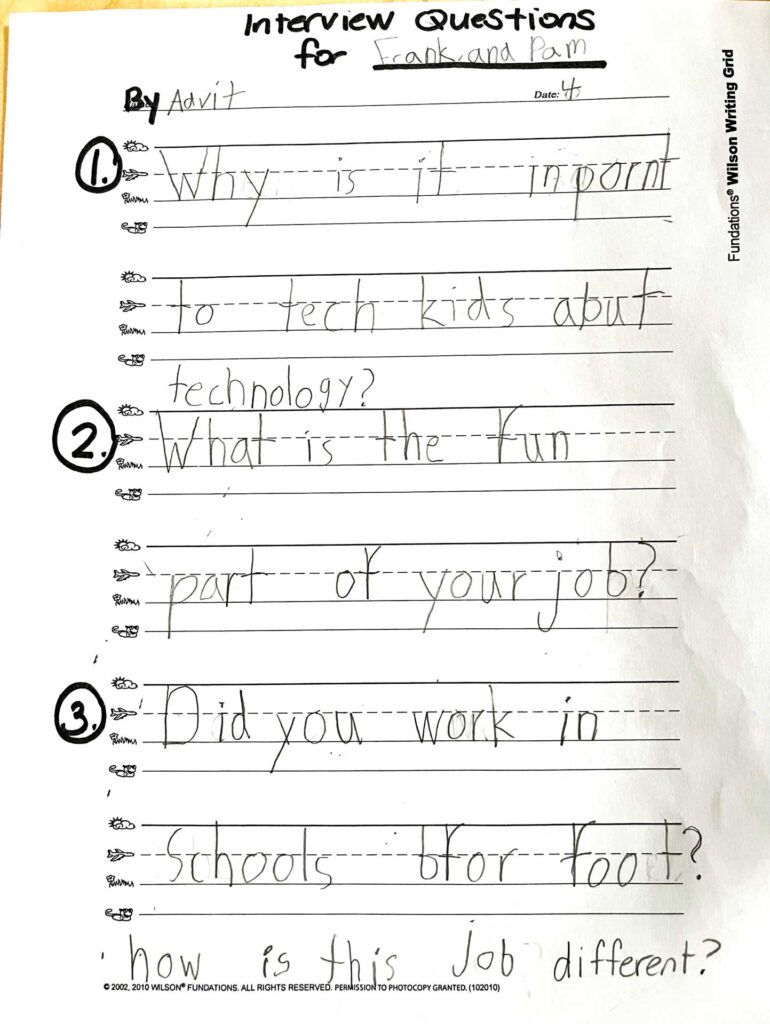
After exploring the concept of community and their essential question “How can communities help one another thrive and grow?” throughout the school year, our K2 kindergarten class turned to take a closer look at a community very dear to us: our own school. The children wanted to learn more about Foote, including who are the helpers in the school. They began by brainstorming a list of school helpers (staff) that they wanted to interview, including the Head of School, the Admissions Director, the Head of Development, as well as the staff in the Business Office. The children asked each person, “How can K2 help The Foote School?”
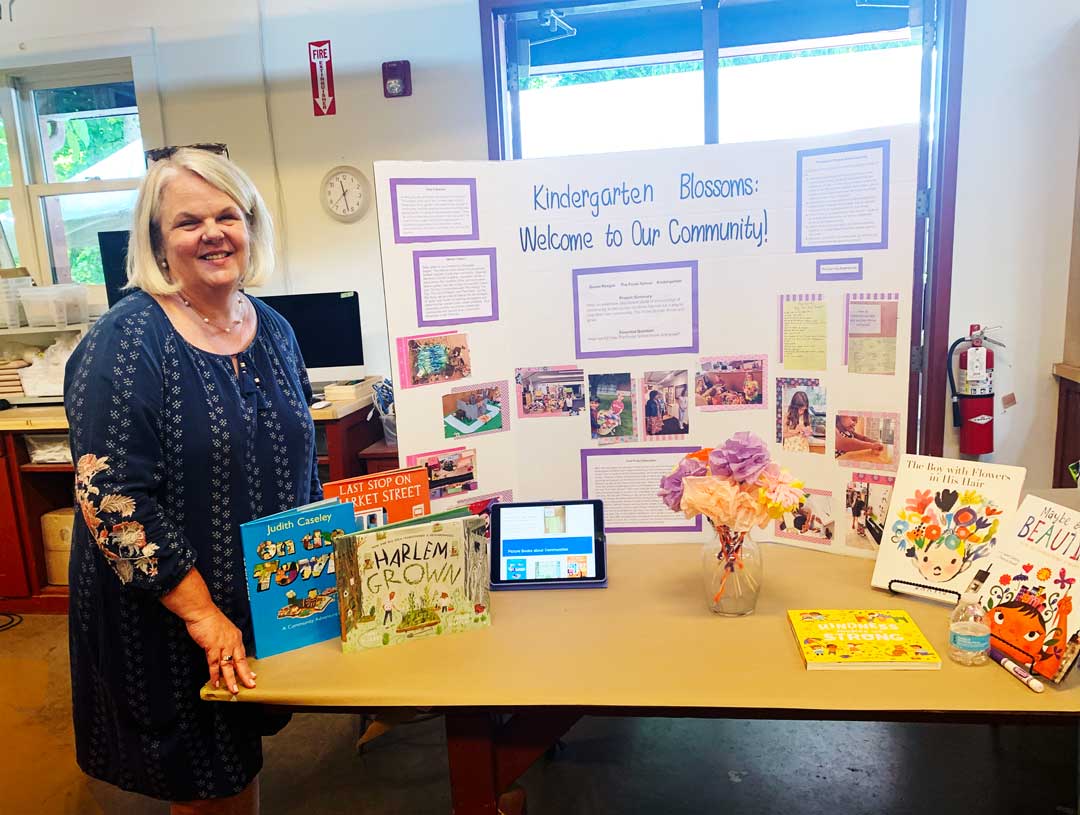
The theme of being kind and welcoming rang clear. For inspiration, I read aloud several picture books with my kindergarten students, including The Boy with Flowers in His Hair (by Jarvis), Kindness Makes Us Strong (by Beer), and Maybe Something Beautiful (by Campoy and Howell). The children remembered the tissue paper flowers they had made during the school year as part of their sensory activities and decided to make more flowers for school visitors to take with them. Wondering how visitors would know that they were welcome to take a flower, students decided to place some paper flowers in vases at the front office and in the Admissions Conference Room, with the remaining flowers in a basket. Together, they drafted language to go on a sign to put in the front office so visitors would know that they could take a flower.
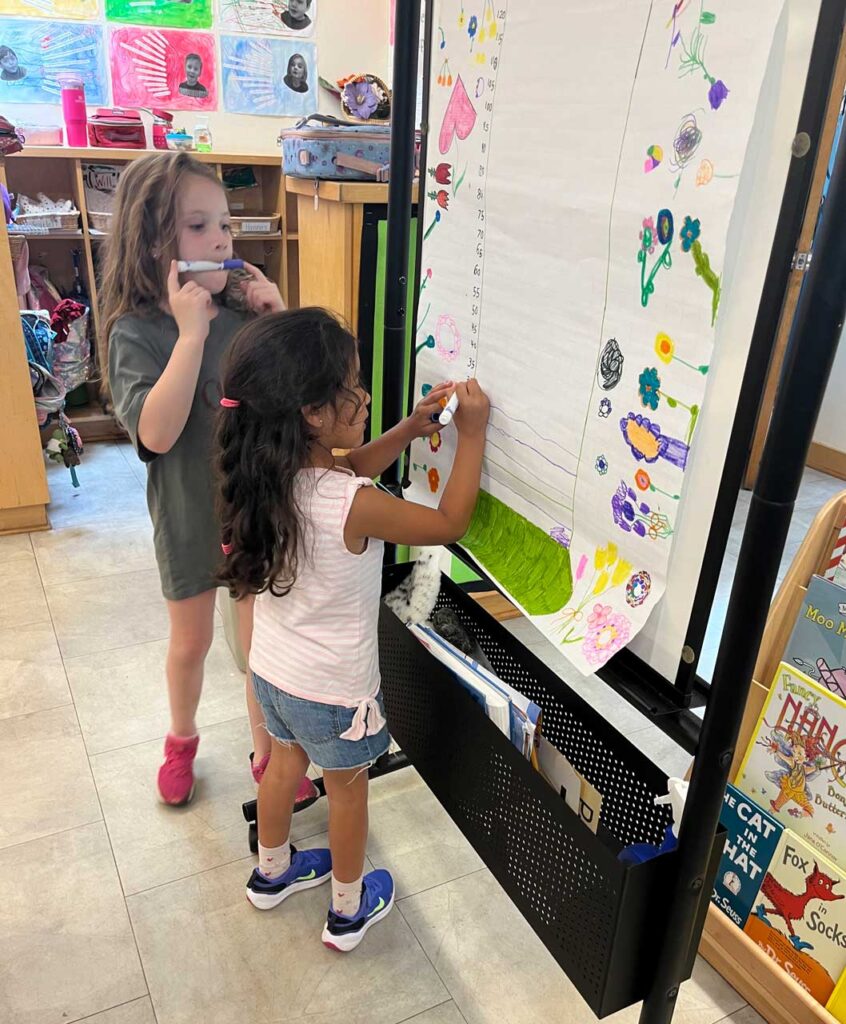
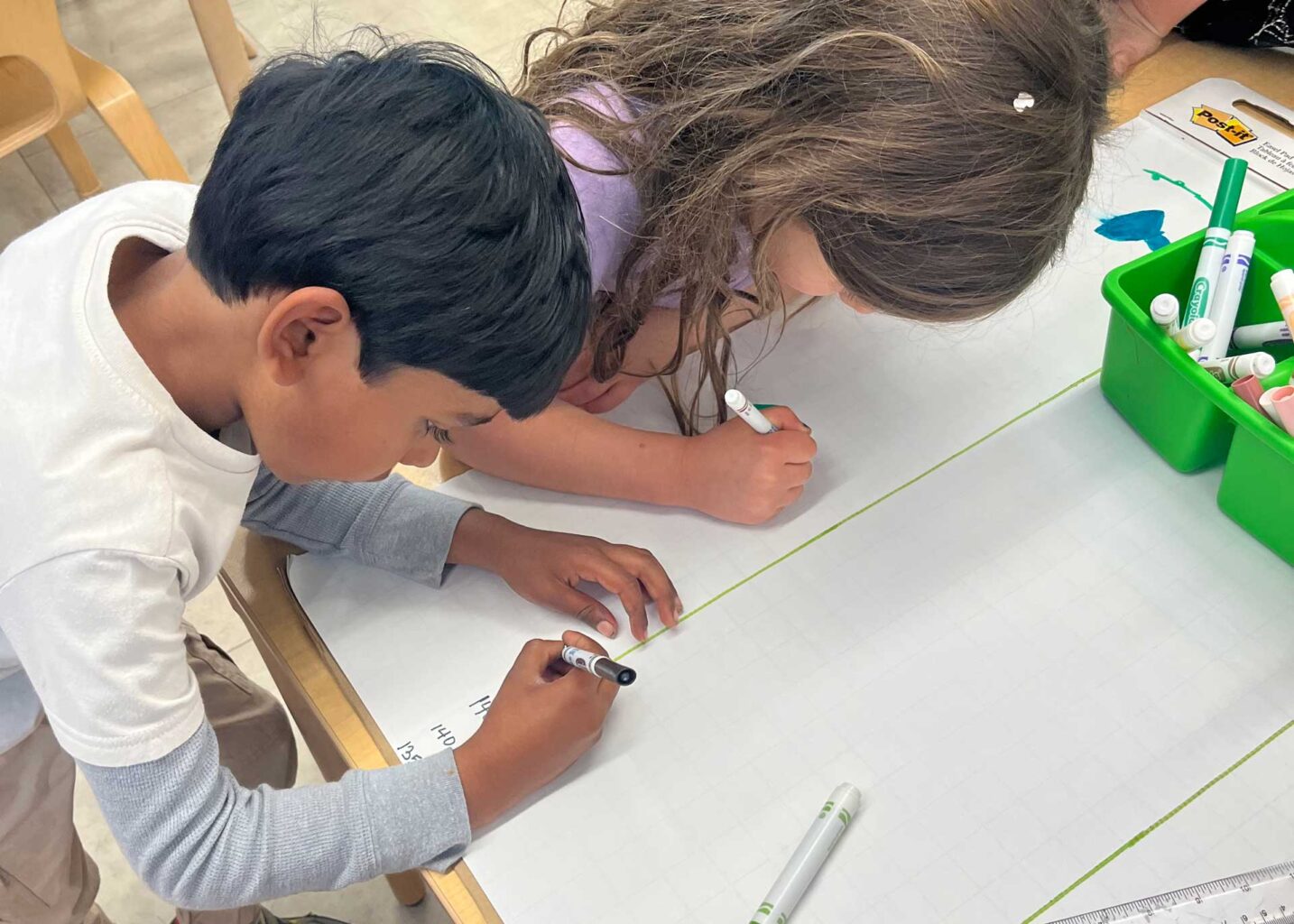
Each child committed to making 5 flowers and worked to create a visually pleasing display and written description of the project. As students accumulated many flowers, they also brainstormed ways to keep track of the flowers produced without the need of counting them every day. The students decided to tally the flowers produced at the end of every day, making a graph to track their progress in increments of 5. Students collaborated in creating and decorating the graph. I asked them to reflect on their decisions during the project and the impact of their actions, addressing the following prompts:
- Draw a picture of what you did to help the Foote School and write a sentence about how it made you feel.
- Did anyone say “thank you” or smile at you?
- Would you like to help again?
In the final count, after grandparents and special friends had received a flower, there were still 300 paper flowers left! In the last week of school, the children presented the flowers and the accompanying display to the Head of School and the Admissions Directors. Overall, the “Kindergarten Blossoms: Welcome to Our Community” project not only benefitted the immediate school environment but also laid the groundwork for the development of compassionate, responsible, and community-minded individuals.
Learning Outcomes
- SEL: exchange of ideas and considerations for others; persistence on challenging tasks
- Math: counting by 5s
- Problem-solving: interview with members of The Foote community to determine their needs
- Creative thinking: use of their knowledge about communities to develop a plan to help their own community (The Foote School); set realistic goals for the project; reflect upon the project’s results
- Motor skills development: practice writing; creation of paper flowers
Meeting Standards
- Did they cover plants or anything else?
- Created flowers to welcome school visitors
- Created signage to tell school visitors about their project
- graphing
- counting
- sorting
- Interviewing Skills
- Communication?
- communities
Resources
- Books
- Online
- Materials
- The Boy with Flowers in His Hair by Jarvis
- Maybe Something Beautiful: How Art Transformed a Neighborhood by F. Isabel Campoy and Rafael López
- Kindness Makes Us Strong by Sophie Beer
- “What is a Community?” – https://www.youtube.com/watch?v=lGC0zxgRNJQ
- Mystery Science Living Things Lesson – https://mysteryscience.com/plant-secrets/plant-needs
- “Living and Non-living Things for Kids” – https://www.youtube.com/watch?v=kBL9-RFhnbM
- “What makes something alive” – https://www.youtube.com/watch?v=Gy60BqCnTG4
- Tissue paper
- Crepe paper
- Floral tape
- Pipe cleaners
- Floral wire
- Wooden Skewers
Principles of Place-Based Learning:
- Community as classroom
- Inquiry-Based
- Design thinking
- Local-to-global
- Learner-centered
- Interdisciplinary
Principles of Play-Based Learning:
- Active
- Engaged
- Meaningful
- Social
- Iterative
- Joyful
Portrait of a Graduate:
- Synergistic Collaborator
- Effective Communicator
- Critical Thinker
- Self-Directed Learner
- Global Citizen
Seedlings-Based Learning:
- Grounded in Place
- Developmentally Appropriate
- Integrative Learning
- Community Partners & Mentors
- Intentional Reflection