About Seedlings Community of Practice
What is the Seedlings Community of Practice?
What is the structure of the Seedlings Community of Practice program?
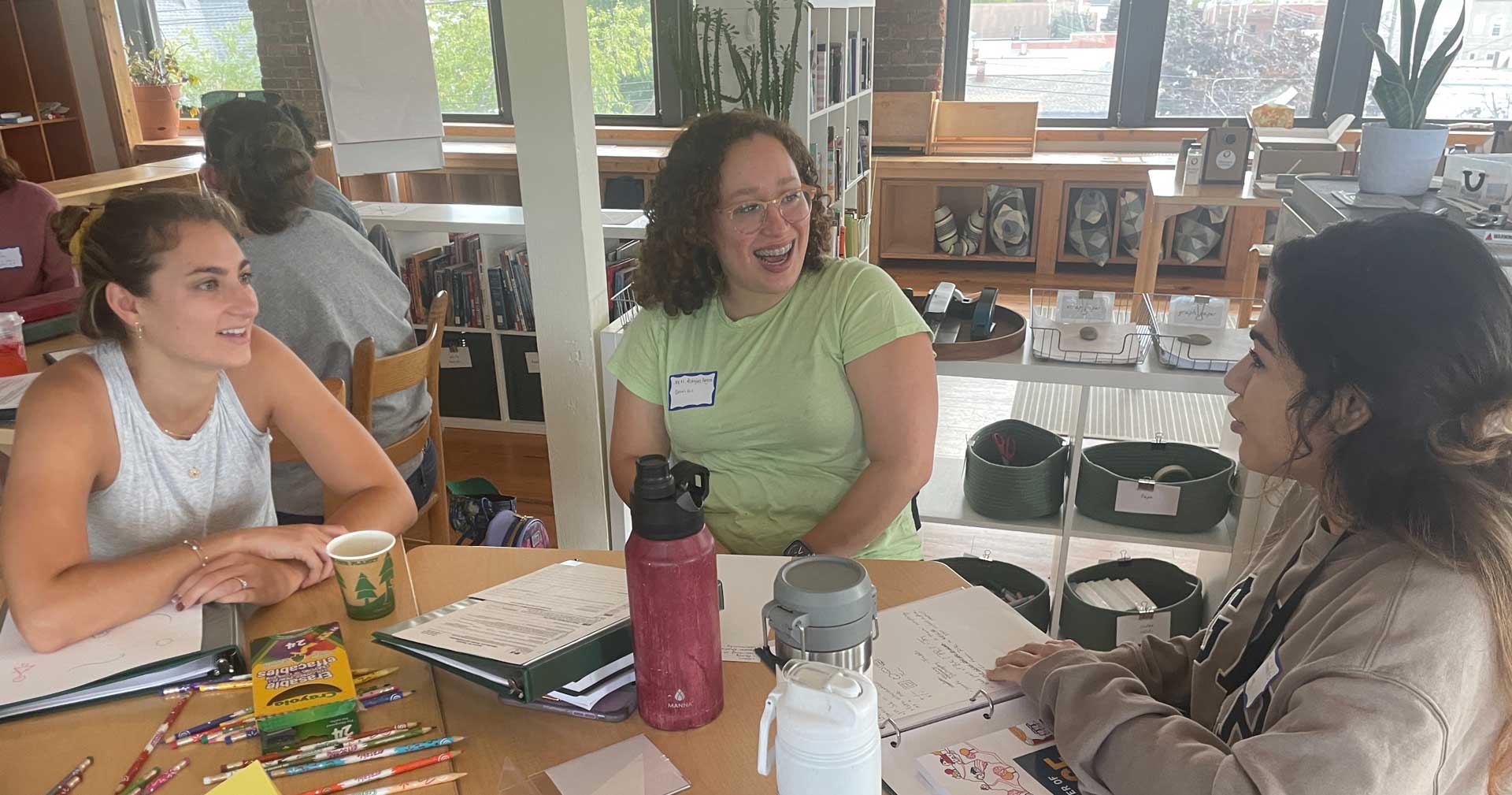
During the first two-thirds of the school year we explore the power of place to transform teaching and learning, as well as each of the six place-based education (PBE) principles (defined by the Teton Science Schools). In between our monthly meetings, group members try out some of the tools and strategies from fieldwork assignments.
Teachers spend the final third of the year developing a community impact project that reflects PBE principles. Project examples include:
- adapting a standard unit of study to make it more place-based;
- enhancing the school’s outdoor learning spaces;
- planting a pollinator garden with students;
- developing a community asset map with and for middle schoolers;
- designing one’s own school-based CoP
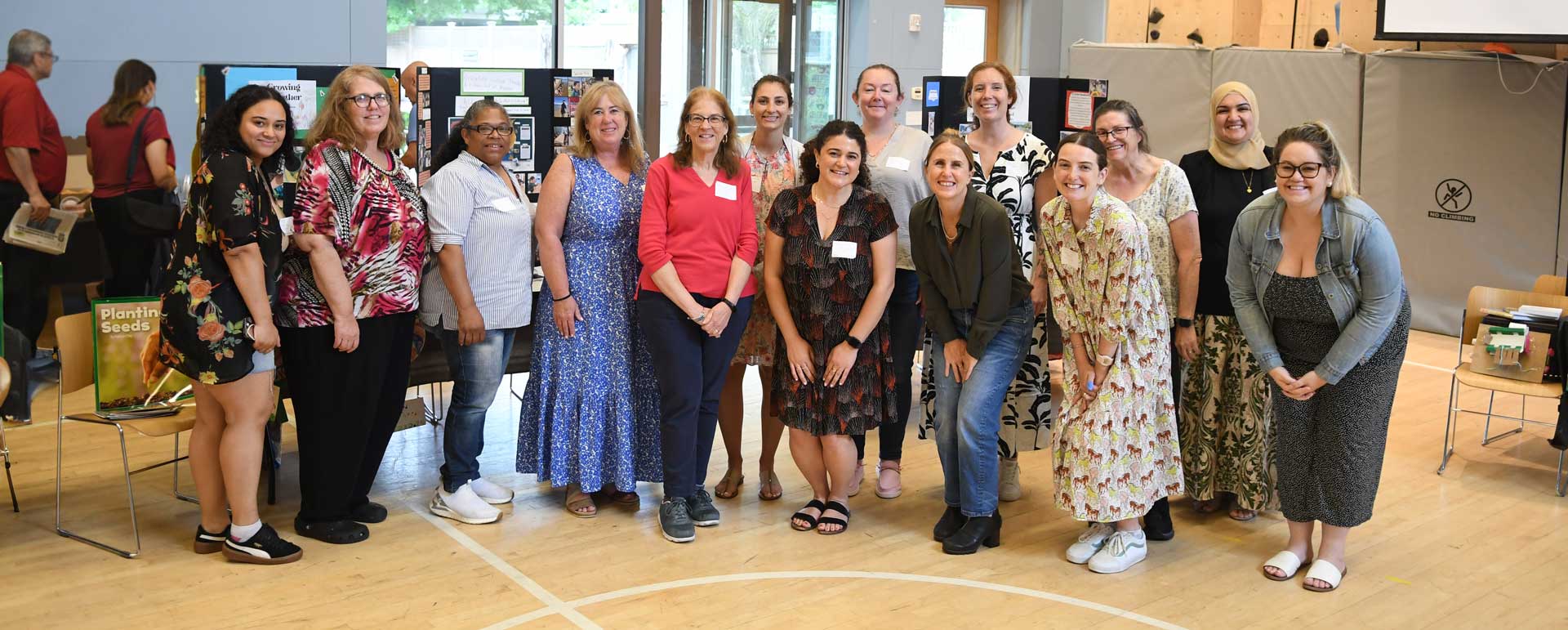
At the end of the school year, our CoP members present their work to the broader community at our Seedlings CoP Expo. These projects are made possible through mini-grants provided by the Seedlings Foundation, and can be found in SEC Place-Based Learning Project Repository
Why a place-based education (PBE) approach?
The Seedlings Summer Workshop is a busy and immersive week. Teachers take on the roles of learners as they engage in inquiry grounded in the city of New Haven and walk away inspired but not always being able to articulate what enabled the mindshift. The principles of place-based education underping this transformative experience. When we learn to love where we live and use local community resources to construct meaning, we empower learners to engage as active participants in the world around them.
The PBE framework developed by the Teton Science Schools and Getting Smart helps our CoP members break down the Seedlings experience into bite sized pieces that can be tried out and adapted.
What’s the Ambassador Program?
We designed the Ambassador Program to be a less-structured, more member-driven program that enables CoP1 graduates to maintain their connection with one another and the CoP program in ways that are supportive of their continued development. In the first two years of its existence, this has looked like continued curricular collaboration. Ambassadors set goals in the beginning of the year for refining a place-based project or designing a new one and meet twice per trimester at schools or community partner sites to strategize, problem-solve, and share successes and challenges. Similar to the CoP1 program, Ambassadors receive grant funding to support these projects, but also have the additional benefit of access to Seedlings-generated professional development materials should it prove useful. We pride ourselves on being an organization that is always adapting and evolving to meet teachers’ needs, so we expect for this to be a dynamic program that changes along with our Ambassadors.
How can I find out more?
Read reflections from past CoP members here.
Email Katy Botta at kbseedlingseducator@gmail.com